Let's break down how to use the word "cave" in English. It has several meanings and uses! Here's a comprehensive guide:
1. Literal Cave (Geological)
- Definition: A natural underground chamber or gallery, typically formed by the movement of water or other geological processes.
- Examples:
- “We explored a dark cave filled with stalactites and stalagmites.”
- “Scientists are studying the newly discovered cave system in the mountains.”
- “The bats live in a cave near the river.”
- Synonyms: grotto, cavern
2. Figurative Cave (Emotional/Psychological)
- Definition: A place of refuge, security, or isolation. It often suggests a feeling of being trapped or overwhelmed. This is the most common secondary meaning now.
- Examples:
- "After a difficult day at work, he retreated to his cave to relax." (He sought solitude)
- "She built a cave around herself after the heartbreak, refusing to talk to anyone." (She withdrew emotionally)
- “He was living in a cave of his own making, consumed by regret.” (He was isolating himself due to a bad feeling)
- Synonyms: fortress, sanctuary, refuge, cocoon, shell, bubble
3. Cave as a Place of Storage (Less Common Now)
- Definition: A recess or small space for storing items. This usage is becoming less frequent, often replaced by more modern terms.
- Examples:
- “The baker kept his flour in a cave in the basement.” (Historically common, now you’d likely hear ‘cupboard’ or ‘storage space’)
- "There's a cave behind the bookcase where I hide my valuables.” (Less precise, implies a small hidden area)
4. "Cave In" (Idiomatic Expression)
- Definition: To collapse or suddenly lose support. This refers to structural collapse, but it can also be used metaphorically.
- Examples:
- "The ground caved in beneath him as he stepped on the weakened earth." (Literal)
- “The debate caved in when the evidence contradicted their claims.” (Metaphorical – the argument collapsed)
5. "Caveat" (Latin Origin - Related Word)
- Definition: A warning or proviso, often included in a contract or legal document. This word doesn’t directly come from “cave,” but it shares a root.
- Example: "There’s a caveat to this agreement – you must maintain adequate insurance.”
Tips for Using "Cave" Effectively:
- Context is Key: Pay attention to the context to understand which meaning is intended. The figurative use is far more frequent in modern English.
- Figurative Usage is More Common: Unless you're describing a physical cave, you’ll probably be using “cave” in a metaphorical sense.
- Consider Tone: The word “cave” often carries a slightly negative connotation, suggesting isolation or avoidance.
Resources for Further Learning:
To help me tailor my explanation even further, could you tell me:
- What kind of context are you thinking about when you want to use the word "cave"? (e.g., describing a natural environment, discussing feelings, etc.)









 /keɪv/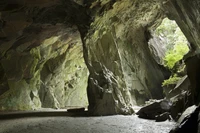









Comment ()