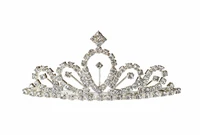
What is diadem? Pronunciation and usage in English

diadem means . Learn how to pronounce and use diadem through vivid examples and easy-to-understand exercises.

Definition & pronunciation of diadem

diademnoun

/ˈdaɪədem//ˈdaɪədem/
Definition & pronunciation of diadem

Okay, let's break down how to pronounce "diadem." It's a tricky one! Here's a breakdown:

1. Syllables:

The word is divided into three syllables:

  • di - like the word "dee"
  • a - like the word "ah"
  • dem - rhymes with "them"

2. Sounds:

  • di: Pronounced as in "did" or "die".
  • a: As in "father" or "car". (A short "a" sound)
  • dem: This is the trickiest part. It's pronounced like "them," but with a slightly shorter "e" sound. Think of it as a quick, clipped "em."

3. Putting it Together:

Say it slowly: dee-ah-dem

4. Audio Example:

The best way to learn is to hear it! Here are a few resources:

Tips for getting it right:

  • Don't overemphasize the "a". It's a short "a" sound.
  • The "dem" is the key. Practice that clipped "em" sound.
  • Listen to native speakers – the Forvo link is excellent for this.

Would you like me to:

  • Repeat the pronunciation?
  • Give you some example sentences using the word "diadem"?

Usage and examples with the word diadem in English

Let's break down how to use the word "diadem" effectively in English. It's a beautiful, slightly archaic word, so it's used a bit less frequently than, say, "crown" or "tiara," but it has a specific and evocative meaning.

1. Core Meaning:

  • Definition: A diadem is a decorative headband or fillet worn as a symbol of royalty or honor. It's typically less elaborate and imposing than a crown. Think of it as a more subtle or elegant form of a royal headpiece.

2. Historical Context:

  • Ancient Times: Diadems were common in ancient Greece and Rome, worn by victorious generals, poets, and sometimes, in a more restricted sense, by women of noble birth.
  • Medieval and Renaissance: They became much more closely associated with royalty during the Middle Ages and Renaissance, often worn by queens and princesses.

3. How to Use It in Sentences:

Here are some examples showing different ways to incorporate "diadem" into your writing or speech:

  • Describing a royal appearance: “The queen wore a delicate silver diadem adorned with pearls, reflecting the sunlight.”
  • Referring to a historical artifact: "Archaeologists discovered a stunning gold diadem dating back to the Roman Empire.”
  • Figuratively (more poetic): "Her smile became a diadem of joy, illuminating the room.” (Here, it's not about a physical headpiece but about a radiant quality.)
  • Describing a decorative element: "The dancer wore a shimmering crimson diadem as part of her elaborate costume.”
  • More formal writing: "The royal family's ancestral diadem was displayed in the museum's crown exhibit.”

4. Key Differences to Consider: Diadem vs. Crown vs. Tiara

It’s helpful to understand how "diadem" relates to other similar words:

  • Crown: A large, ornate, and typically heavier headpiece signifying supreme sovereignty. (Think: King Charles’ crown.)
  • Tiara: A smaller, often more flexible headband with a decorative, pointed or flared piece at the top. It’s generally associated with elegance rather than absolute power.
  • Diadem: As we've established, a simpler, often more understated decorative headband, often associated with nobility, but not necessarily with absolute royalty. It’s a step between a tiara and a crown.

5. Tone & Style:

  • “Diadem” lends a somewhat formal and literary tone to your writing. Be mindful of your audience and the overall style you’re aiming for.

Resources for Further Exploration:

Do you want me to:

  • Give you some more examples of sentence usage?
  • Help you understand how "diadem" is used in a specific context (e.g., historical fiction, poetry)?

Comment ()